
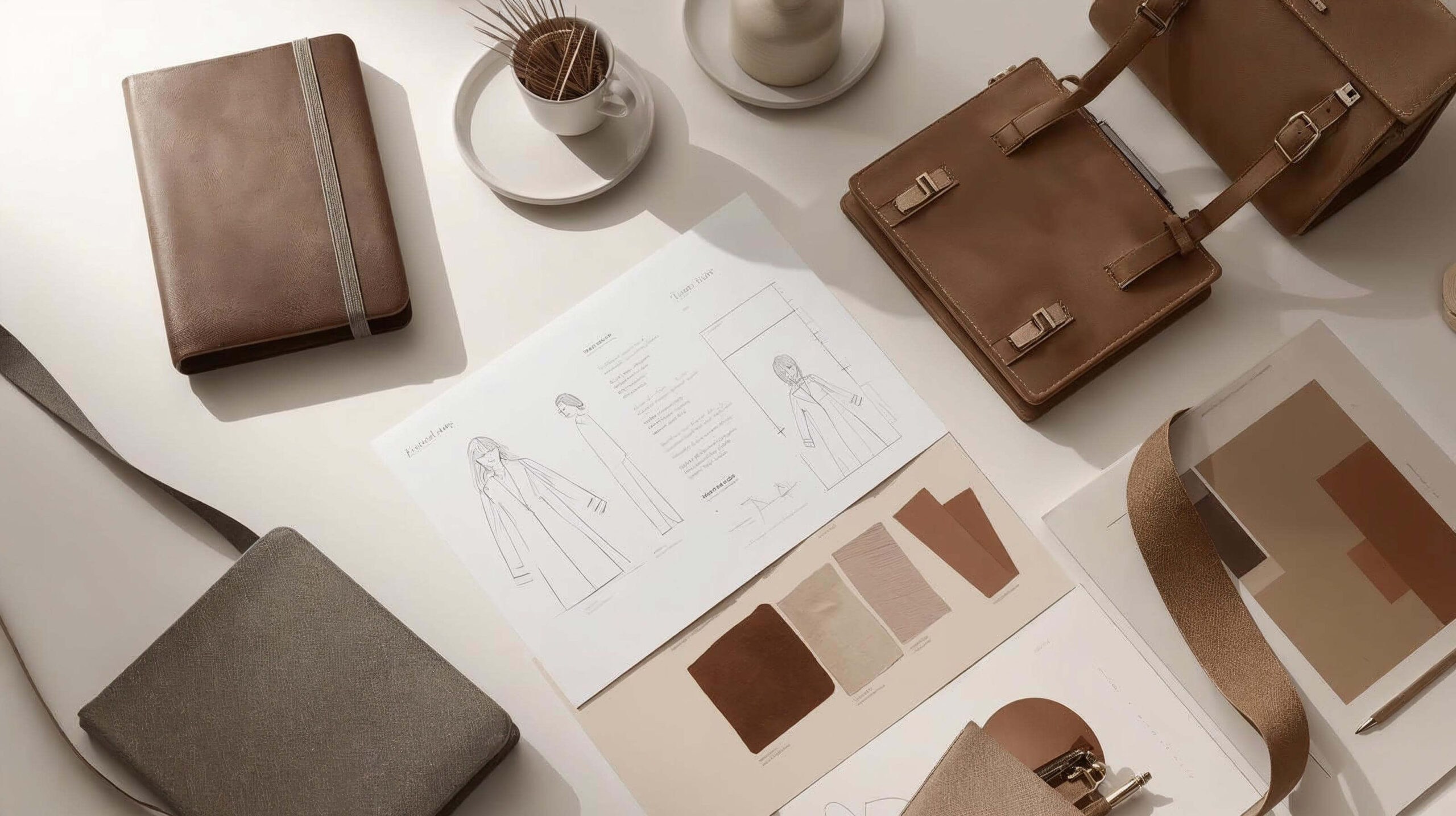
Is Seasonal Color Selection Necessary?
One of the most common questions among leather bag brand owners is:
“Is it necessary to choose leather colors based on trends?”
or
“Do leather bags need to follow seasonal colors such as AW / SS?”
In reality, the answer is not simply yes or no.
It largely depends on your business model, brand direction, and target market.
This article will help you understand
how to approach leather color selection in a way that truly fits your brand.
1) Is It Necessary to Follow Trend Colors?
The answer: not always.
Trend colors can be useful in certain situations, such as:
- Fashion brands that emphasize freshness and novelty
- Brands that clearly follow seasonal collections
- Brands driven by fashion shows or runway-led markets
However, for many leather bag brands,
especially those focused on practicality and long-term sales,
relying too heavily on trend colors can become a stock and inventory risk.
Limitations of Trend-Based Colors
- Trend colors come and go quickly
- If products don’t sell → excess inventory remains
- Leather bags are not fast fashion items
- Customers expect to use a leather bag for years, not just one season
2) Do Leather Bags Need to Follow Seasonal Colors (AW / SS)?
Not necessarily for every brand.
Seasonal concepts such as:
- AW (Autumn / Winter)
- SS (Spring / Summer)
are more suitable for:
- Apparel
- Footwear
- Fashion brands with strict collection structures
For leather bags, however:
- Customers use them all year round
- Classic colors are not limited by seasons
- In many countries, consumers do not shop strictly by European fashion seasons
4) So, How Should You Choose Leather Colors?
4.1 Start with “Core Brand Colors”
Every brand should have colors that sell consistently throughout the year, such as:
- Black
- Brown
- Tan
- Camel
- Dark Navy
- Grey
These colors:
- Never go out of style
- Work in every season
- Are easier for customers to decide on
Are ideal for repeat production
4.2 Separate “Core Selling Colors” from “Experimental Colors”
A recommended structure:
- 70–80% = Classic core colors
- 20–30% = Fashion or special colors
Fashion colors:
- Are used to test the market
- Produced in limited quantities
- If they sell well → repeat production
- If they sell slowly → discontinue quickly
4.3 Focus on Market Behavior More Than Global Trends
In some markets:
- Seasonal fashion trends are not a priority
- Purchasing decisions are based on practicality
- Customers prefer safe, versatile colors over bold fashion colors
Examples include:
- Certain Asian markets
- B2B / corporate markets
Mass online markets
5) Why Do Brands Produce “Unusual Colors” Even Though They Sell Slowly?
Although most customers eventually choose
black / brown / beige / tan,
many brands intentionally introduce unusual colors.
The reason is not only about sales,
but about the role these colors play within the brand system.
5.1 Unusual Colors Are for Brand Image, Not Direct Sales
Examples of unusual colors:
- Muted green
- Greyish purple
- Blue-grey
- Dusty pink
- Brick orange
These colors are designed to:
- Catch attention
- Make the brand look fashionable
- Create visual differentiation from competitors
Even if customers don’t buy these colors,
they help attract customers into the store or onto the website.
Unusual colors attract customers
Classic colors generate sales
5.2 Unusual Colors as “Hero Colors” in Marketing
Many brands use unusual colors in:
- Advertising visuals
- Lookbooks
- Social media content
- Marketing campaigns
Because:
- They stand out visually
- They look different from the market
- They make storytelling easier
However:
- Production quantities are limited
- Core colors still drive the majority of sales
5.3 Customers “Like to See” but “Hesitate to Buy”
Real customer behavior:
- See unusual colors → “Wow”
- Try them on → interesting
- Think about daily use → choose neutral colors
Leather bags:
- Are relatively expensive
- Are used for a long time
- Are not purchased frequently
Therefore, customers don’t want to risk choosing colors that are difficult to use every day.
5.4 Unusual Colors Make a Brand Look Trend-Forward
Even if they don’t sell well, unusual colors give the brand:
- A design-driven image
- Fashion brand perception
- Differentiation from purely functional products
A brand offering only black and brown
often looks like a product brand, not a fashion brand.
5.5 Unusual Colors Are a Low-Risk Market Test
Brands typically:
- Produce unusual colors in small quantities
- Collect feedback and sales data
- Repeat if successful
- Stop quickly if unsuccessful
The cost of unusual colors is treated as:
- An R&D investment
- Not the main commercial budget
5.6 Why Do Customers Ultimately Choose “Classic Colors”?
Because customers consider:
- Will it last long?
- Will it match most outfits?
- Is it suitable for work?
- Will I get bored of it quickly?
The answers usually lead to:
- Black
- Brown
- Tan
- Beige
- Dark Grey
Key Insight (Highly Practical)
Smart brands don’t ask:
“Is this color hard to sell?”
They ask:
“What role does this color play in our brand system?”
6) The Factory Perspective (OEM / ODM Leather Bag Manufacturing)
From a factory’s point of view, good leather color selection should:
- Support repeat production
- Avoid excess leather stock
- Be usable across multiple bag styles
- Make cost control easier
Factories often recommend:
- Starting with easy-selling colors
- Avoid launching collections with only fashion colors
Making decisions based on real sales data
Conclusion: Choose Leather Colors That Fit Your Brand — Not Just the Trend
✔ It’s not always necessary to follow trends
✔ You don’t have to strictly follow AW / SS every collection
✔ Leather bags can be sold using a “ready when ready” approach
✔ Classic colors are the foundation of long-term sales
✔ Fashion colors are tools for market testing
Successful brands are not the ones that follow trends best,
but the ones that understand themselves
and their customers the best.
🌟Looking for a reliable OEM/ODM leather bag manufacturer?
Visit https://styletnlx.com
to explore complete services from Thailand’s leather goods specialists 
Why Choose TNLX as Your Leather Bag Manufacturing Partner
• Over 50 years of experience in manufacturing leather bags and leather belts for global premium brands, as well as shirts, suits, and employee uniforms
• A dedicated B2B factory, working closely with brands and placing strong emphasis on quality and on-time delivery
• Full support for OEM and ODM, from design assistance to full-scale production
• A trusted manufacturing partner for leading brands such as Daks London, Guy Laroche Paris, Arrow USA 1851, and many other global brands